Why CBD Skincare Products Are Making Waves in Natural Wellness
Understanding the Shift Toward CBD in Daily Skincare
For years, I treated my skin like a battlefield. Acne, redness, and that tight, dry feeling after washing my face were just parts of the routine I accepted. Then a friend with chronic back pain handed me a small jar of CBD balm and said, "Try it on your cheekbones." Skeptical but desperate, I did. The next morning, the inflammation around my nose had calmed. That was my first real taste of what CBD skincare products could do. Since then, I have spent countless hours reading studies, talking to formulators, and testing batches myself. The shift I have seen is not just marketing hype. It is grounded in how our bodies actually respond to plant compounds.
CBD, short for cannabidiol, is one of over a hundred cannabinoids found in hemp extract. Unlike THC, it does not produce a high. Instead, it interacts with the body's endocannabinoid system, a network of receptors that helps regulate pain, mood, and inflammation. When you apply CBD topically, those receptors in your skin can respond directly. That is why cbd skincare products have moved from fringe novelty into a legitimate category for people seeking topical relief without psychoactive effects. The science is still young, but the anecdotal evidence - and my own experience - is compelling.
How CBD Works on the Skin
Your skin has its own endocannabinoid system. Receptors called CB1 and CB2 sit in the epidermis and dermis, and they influence oil production, cell turnover, and immune responses in the skin. When you apply a full-spectrum CBD balm, the cannabinoids bind to these receptors and can reduce excessive sebum production, calm overactive immune cells, and encourage a more balanced inflammatory response. That is why many people with eczema, psoriasis, or acne find relief with these products.
Full-spectrum CBD means the extract contains not just CBD but also minor cannabinoids, terpenes, and flavonoids that occur naturally in the hemp plant. These compounds work together in what researchers call the entourage effect, where the whole plant extract performs better than any single molecule alone. In contrast, CBD isolate is just the pure cannabinoid, stripped of those supporting compounds. For skincare, full-spectrum or broad-spectrum CBD tends to deliver more noticeable results, especially for things like redness and dryness.
I remember a winter when my hands cracked so badly that every splash of water stung. A friend who runs a small apothecary suggested a shea butter balm infused with full-spectrum CBD. Within a week, the cracks healed faster than any heavy lotion had managed. That was when I started paying attention to the base ingredients, not just the CBD content.
What to Look for in a Quality Product
Not all cbd skincare products are created equal. The market is still loosely regulated, and I have seen jars labeled "500mg CBD" that contain mostly hemp seed oil with trace amounts of actual cannabinoid. Here are the markers I check before buying anything:
- Third-party lab testing: A certificate of analysis from an independent lab confirms the CBD content and checks for contaminants like heavy metals or solvents. If a brand does not share recent lab reports, I move on.
- Extraction method: CO2 extraction uses pressurized carbon dioxide to pull cannabinoids from the hemp without harsh chemicals. It preserves the delicate terpenes and flavonoids that contribute to the entourage effect. Alcohol-based extracts can be effective too, but they may leave residual solvents.
- Carrier oils and butters: Good formulations use ingredients like coconut oil, shea butter, or jojoba oil as the base. These are not just fillers. They affect how deeply the CBD penetrates and how long it stays on the skin. Coconut oil, for example, has natural antimicrobial properties and carries cannabinoids well.
- Transparent sourcing: Hemp is a bioaccumulator, meaning it pulls toxins from the soil. Brands that test for pesticides and use organically grown hemp are worth the premium.
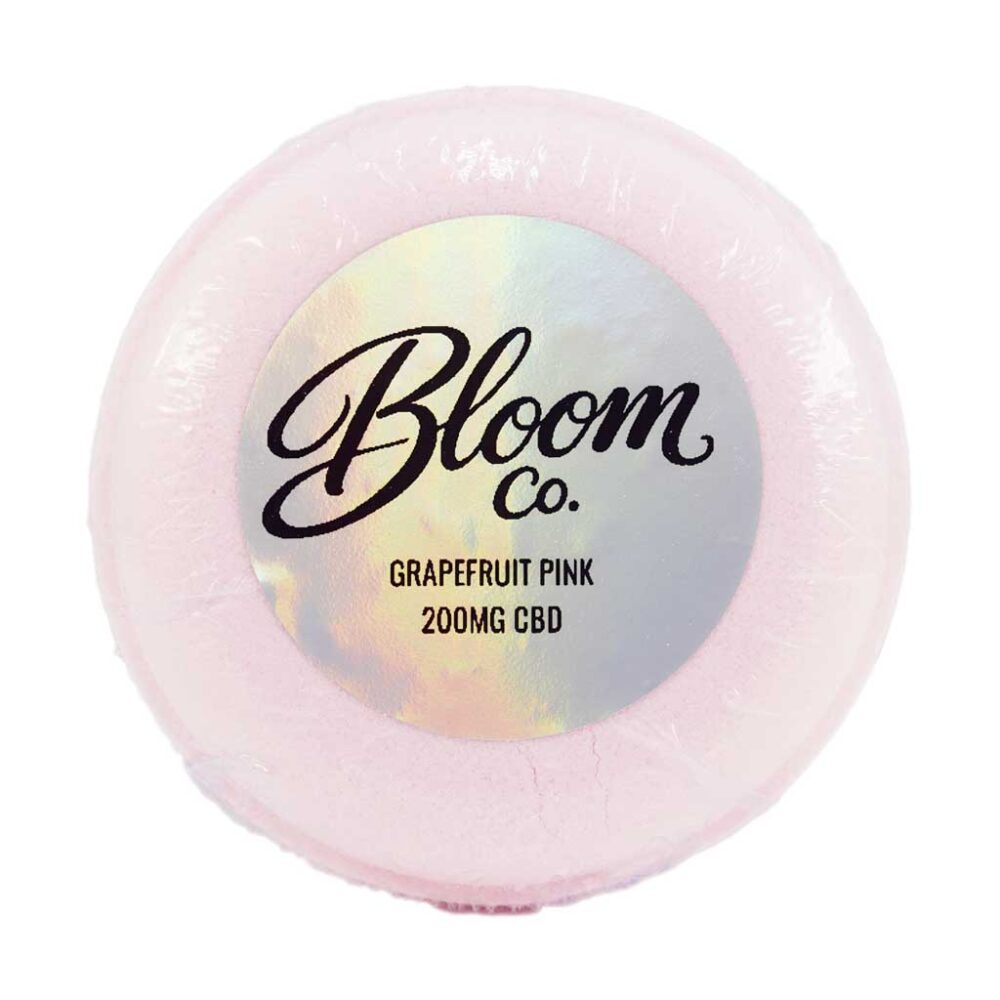
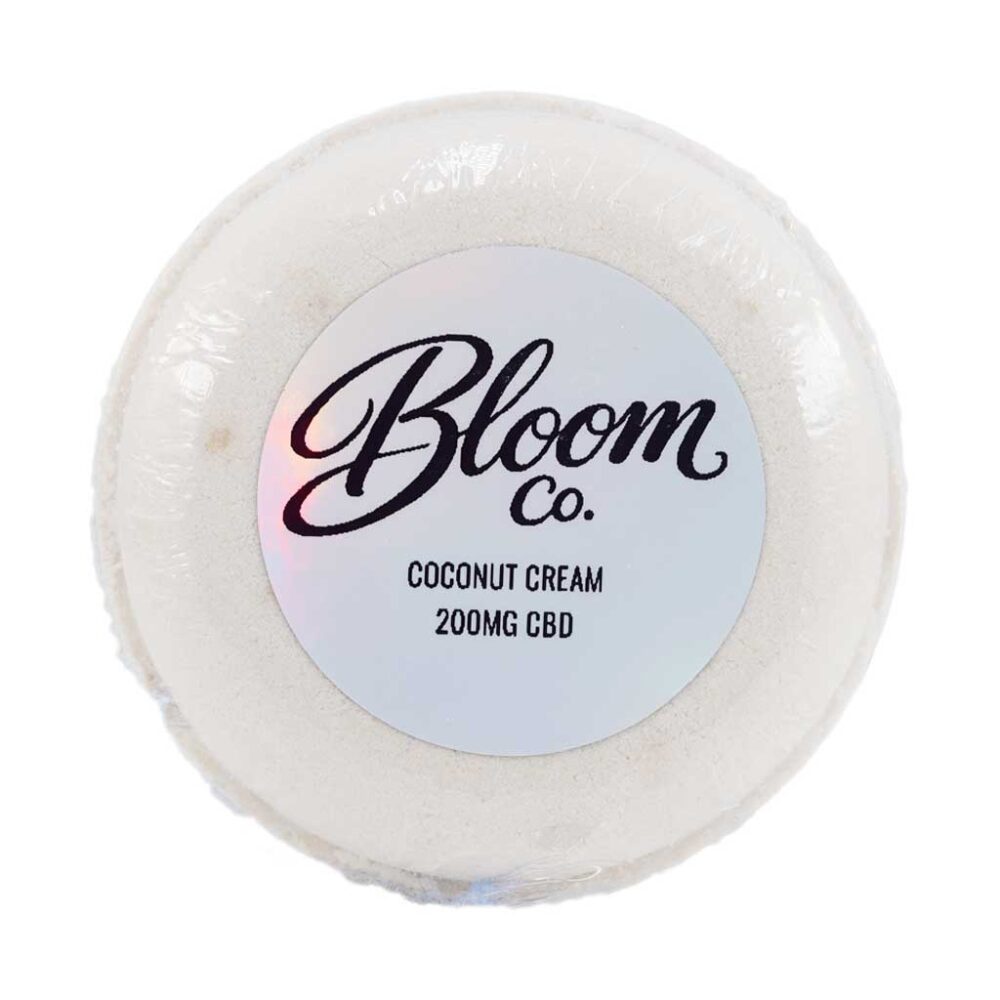
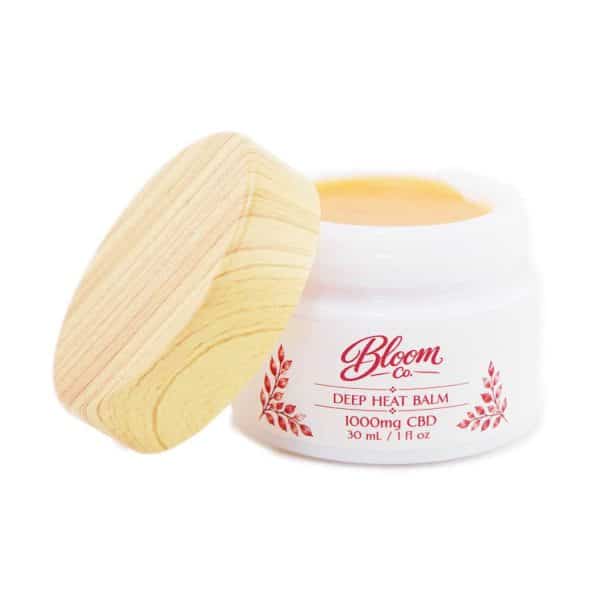
One brand I have come to trust is Kush Station. Their CBD balms combine full-spectrum CBD with shea butter and essential oils like lavender and eucalyptus. The balms are thick without being greasy, and they absorb within a few minutes. I use one on my elbows and knees after morning showers, and the difference in skin hydration over the course of a day is noticeable. Their bath bombs are another favorite. Dropping one into hot water releases the CBD into the bath, letting your whole body absorb it through the skin while you soak. For someone with widespread muscle tension or dry patches, it is a gentle way to get topical relief without rubbing anything in.
Common Mistakes People Make With CBD Topicals
When I first started using these products, I made plenty of errors. Here are a few I have learned from:
- Expecting instant results: CBD is not a numbing agent. It works gradually, often over several days of consistent use. If you apply it once and expect the redness to vanish in an hour, you will be disappointed.
- Using too much: More CBD does not mean faster relief. The skin can only absorb so much at a time. A pea-sized amount on a patch of eczema or a small dollop on a sunburn is enough. Wasting product is just burning money.
- Ignoring the base ingredients: A CBD balm with cheap mineral oil and synthetic fragrance will probably irritate your skin more than it helps. The carrier oils and essential oils matter as much as the cannabinoid content.
- Buying based on mg alone: A 500mg CBD balm in a 2-ounce jar is actually a low concentration. A 250mg balm in a half-ounce jar is more potent. Always check the milligrams per serving size, not just the total in the jar.
The Role of Terpenes and Flavonoids in Skin Health
One thing that separates good CBD skincare products from great ones is the presence of other hemp compounds. Terpenes like beta-caryophyllene and myrcene have their own anti-inflammatory and antioxidant properties. Flavonoids, which give hemp its color, help protect skin cells from UV damage and oxidative stress. When a product uses full-spectrum or broad-spectrum CBD, you get this whole cocktail of beneficial molecules. That is why I generally avoid CBD isolate in skincare. It feels like drinking decaf coffee. You get the familiar taste but miss the complexity that makes it work.
I also appreciate brands that pair CBD with complementary botanicals. A balm with lavender essential oil can double as a sleep aid. One with peppermint offers a cooling sensation that complements the anti-inflammatory action of CBD. Shea butter and coconut oil are common bases because they mimic the skin's natural lipids, improving absorption and locking in moisture. For anyone dealing with chronic dryness or irritation, these combinations can be more effective than plain CBD oil alone.
Practical Tips for Adding CBD to Your Routine
If you are new to this, start simple. A single CBD balm used on a problem area - maybe your elbows, knees, or a patch of eczema - will tell you within a week whether your skin responds. Apply it after a shower when pores are open and the skin is slightly damp. That helps the balm spread and absorb more evenly.
For full-body use, bath bombs are a low-effort option. Drop one in hot water, soak for twenty minutes, and let the CBD absorb through your skin while the essential oils relax your muscles. It is one of the most pleasant ways to combine wellness with topical relief. Just be sure the brand discloses the CBD content and uses third-party lab testing. Not all bath bombs labeled as CBD contain meaningful amounts.
I also recommend rotating products based on the season. In winter, heavier balms with shea butter and coconut oil prevent the dry air from pulling moisture out of your skin. In summer, a lighter lotion or a CBD-infused body oil might feel more comfortable. Kush Station offers both formats, and their balms have a consistency that works year-round without feeling sticky.
Final Thoughts on Choosing Wisely
The most important lesson I have learned is to trust your own skin. What works for a friend might leave you feeling greasy or irritated. Start with one product, pay attention to how your skin feels after a few days, and adjust from there. Look for brands that are transparent about their sourcing, extraction, and testing. The good ones will happily share their lab reports and explain where their hemp comes from.
CBD skincare products are not a miracle cure. They are a tool, and like any tool, they work best when used correctly and consistently. For me, they have turned a daily chore into a moment of genuine care. My skin stays hydrated, my flare-ups are fewer, and I no longer dread the mirror. That is enough to keep me exploring what CBD can do, one balm at a time.